

Table of Contents

Personal Finance
Thank you for reading this post, don't forget to subscribe!Managing money can feel overwhelming, especially when you’re just starting your financial journey. However, understanding personal finance is one of the most valuable skills you can develop. Whether your goal is to save more money, reduce debt, improve your credit score, or begin investing, learning the basics of personal finance can help you build a secure future.
This complete guide to Personal Finance for Beginners UK explains the key concepts you need to know and provides practical steps that anyone can follow.
What Is Personal Finance for beginners uk?
Personal finance refers to how individuals manage their money. It includes budgeting, saving, investing, borrowing, insurance, retirement planning, and financial decision-making.The purpose of personal finance is simple: to help you make the most of your money while achieving your financial goals. For beginners , personal finance involves understanding where your money comes from, where it goes, and how to use it wisely.
Ref: Financial Conduct Authority (FCA)
Why Personal Finance Matters?
Many people work hard for their income but never learn how to manage it effectively. As a result, they struggle with debt, financial stress, and a lack of savings.
Learning personal finance helps you:
- Control your spending
- Build savings
- Prepare for emergencies
- Improve your credit score
- Reduce financial stress
- Grow wealth through investing
- Plan for retirement
The earlier you start learning personal finance, the better your financial future can become.
Understanding Income and Expenses
The foundation of personal finance starts with understanding your cash flow.
Income includes:
- Salary
- Freelance earnings
- Business income
- Side hustles
- Investment income
Expenses include:
- Housing costs
- Food
- Transportation
- Utilities
- Insurance
- Entertainment
- Debt repayments
Before improving your finances, you need to know exactly how much money comes in and how much goes out every month.
How to Create a Budget ?

Budgeting tips for personal finance beginners UK
Budgeting is one of the most important skills in personal finance.
A budget helps you track income and expenses while ensuring you live within your means.
One popular method is the 50/30/20 rule:
- 50% for needs
- 30% for wants
- 20% for savings and investments
For example, if your monthly income is £2,000:
- £1,000 for essentials
- £600 for lifestyle expenses
- £400 for savings and investing
A budget gives you control over your finances instead of wondering where your money disappeared.
Building an Emergency Fund
Unexpected expenses happen to everyone.
Your car may break down. A medical emergency may occur. You could even lose your job.
An emergency fund acts as a financial safety net.
Experts generally recommend saving three to six months’ worth of living expenses.
If that sounds overwhelming, start small.
Even saving £25 to £50 per week can build a strong emergency fund over time.
Keep these savings in an easily accessible account so they’re available when needed.
Saving Money Effectively
Saving money is a core part of personal finance.
Many beginners believe they need a high income to save money. In reality, successful saving is more about habits than income.
Simple ways to save money include:
- Automating savings
- Reducing unnecessary subscriptions
- Comparing utility providers
- Shopping with a list
- Using cashback programs
- Avoiding impulse purchases
Small changes can produce significant savings over the course of a year.
Ref: MoneyHelper UK
Managing Debt Responsibly
Debt is not always bad. Mortgages and student loans can provide long-term benefits.
However, high-interest debt can become a major financial burden.
To manage debt effectively:
- Pay more than the minimum payment when possible
- Focus on high-interest debts first
- Avoid taking on unnecessary debt
- Create a repayment plan
- Monitor your credit obligations carefully
Reducing debt frees up more money for savings and investing.
Understanding Credit Scores
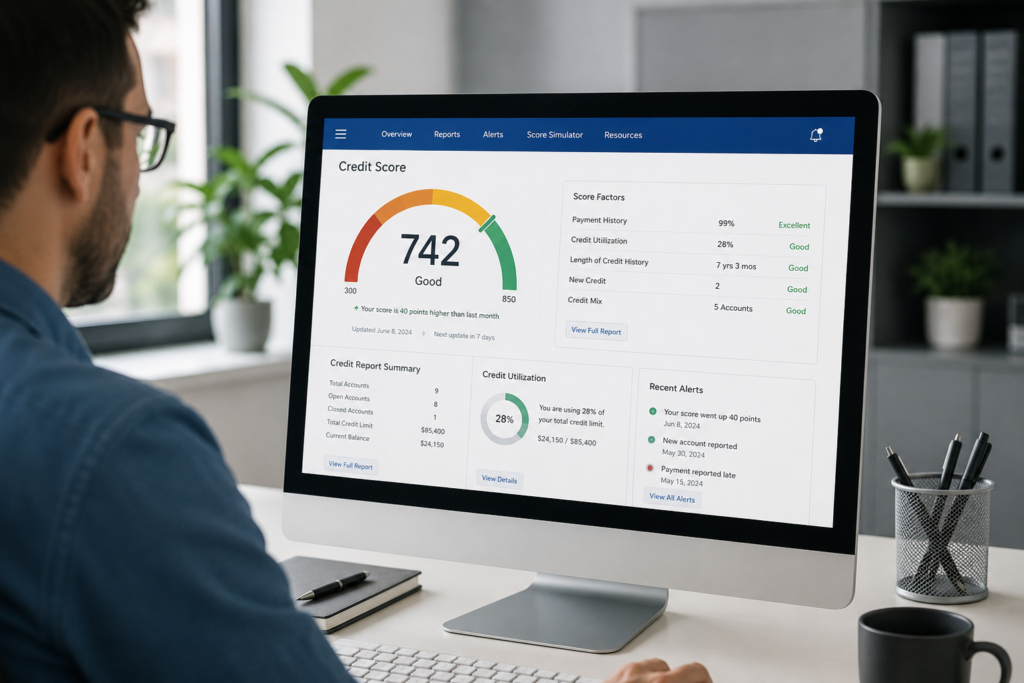
Credit score improvement personal finance beginners (UK)
Your credit score plays an important role in your financial life. In the UK, lenders use your credit score to assess risk when you apply for:
- Credit cards
- Personal loans
- Mortgages
- Mobile phone contracts
A strong credit score can help you access better financial products and lower interest rates.
Ways to improve your credit score include:
- Paying bills on time
- Keeping credit utilization low
- Checking your credit report regularly
- Avoiding excessive credit applications
- Maintaining older accounts responsibly
Building a good credit history takes time but provides long-term benefits.
Ref: Experian UK
Introduction to Investing
One of the most powerful personal finance strategies is investing. While saving protects your money, investing helps it grow. Investing allows your money to benefit from compound growth over time.
Common investment options include:
- Stocks
- ETFs
- Index funds
- Bonds
- Real estate investment funds
For beginners, diversified investments such as ETFs and index funds are often considered a simple starting point.
Understanding Risk and Return
Every investment carries some level of risk. Generally, higher potential returns come with higher risks.
Before investing, consider:
- Your financial goals
- Time horizon
- Risk tolerance
- Investment knowledge
Avoid investing money that you may need in the short term.
Long-term investing often helps reduce the impact of short-term market fluctuations.
Retirement Planning
Retirement may seem far away, especially for younger individuals. However, starting early can make a significant difference. The power of compound growth means small contributions today can become substantial amounts in the future.
Retirement planning options in the UK may include:
- Workplace pensions
- Personal pensions
- Investment accounts
- Long-term savings plans
Starting early provides more time for your investments to grow.
Financial Goals and Planning
Successful personal finance requires clear goals.
Examples include:
- Saving for a home deposit
- Building an emergency fund
- Paying off debt
- Starting a business
- Retiring comfortably
Goals should be:
- Specific
- Measurable
- Realistic
- Time-based
Financial planning becomes much easier when you know exactly what you’re working toward.
Common Personal Finance Mistakes
Many beginners make avoidable mistakes.
These include:
- Living beyond their means
- Ignoring budgeting
- Not saving for emergencies
- Carrying high-interest debt
- Delaying investing
- Failing to monitor credit scores
Avoiding these mistakes can significantly improve your financial future.
Best Personal Finance Habits
Developing strong financial habits can create long-term success.
Good habits include:
- Tracking expenses
- Saving regularly
- Investing consistently
- Reviewing financial goals
- Paying bills on time
- Continuously learning about money
Consistency matters more than perfection.
Small actions repeated over time create powerful results.
Final Thoughts
Learning Personal Finance for Beginners UK does not require a finance degree or a large income. By understanding budgeting, saving, debt management, credit scores, and investing, you can build a strong financial foundation. The most important step is simply getting started. Focus on improving one financial habit at a time. Over months and years, those small improvements can lead to greater financial security, less stress, and increased opportunities. Whether your goal is financial freedom, home ownership, retirement planning, or simply having more control over your money, personal finance knowledge is one of the best investments you can make in yourself.